|
Fabric: Various top traditional fabrics Handicraft: Handmade by the best traditional tailors Delivery: 1-17 days FREE worldwide shipping Size: You may select the stock standard size based on the size chart. Color: You do not need to select the color section or simply select "Same as the picture" if you want it to be the same as the main picture If you wish to change the primary color, please select it based on the color chart and let our top traditional designers design the rest for you. Or you may select "Free Customization" and leave us a message containing your detail color requests on the order form. This custom service has no extra cost! Free Rush Service Available: Standard tailoring takes 1-2 weeks. If you need it by a specific date, please leave your required receipt date in the order notes. We will prioritize your order as a rush request to ensure timely delivery.
Artistic & Historical Background:  Listen Listen
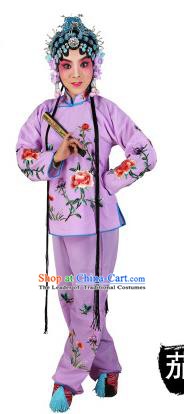
The Chinese Beijing Opera Actress Embroidered Peony Costume is a stunning example of traditional Chinese culture and art.
It is a symbol of elegance, beauty, and grace that has been passed down through generations.
The intricate embroidery on the costume is a testament to the skill and dedication of the artisans who created it.
The Peony flower, which represents prosperity and happiness, adds a touch of romance and charm to the overall design.
The China Peking Opera Servant Girl Embroidery Purple Clothing is also an important cultural relic that reflects the values and beliefs of ancient Chinese society.
It was worn by female performers in the opera, who were often portrayed as virtuous and loyal characters.
The purple color symbolized nobility and wealth, while the intricate embroidery showcased the artistry and craftsmanship of the time.
Both costumes are not only beautiful works of art but also hold significant historical and cultural value.
They represent the rich heritage of Chinese civilization and provide insight into the customs and traditions of past generations.
They serve as a reminder of the importance of preserving our cultural heritage for future generations to appreciate and learn from.
|

 -Year Leader. Chosen by Hollywood Studios | American Museum of Natural History | Opera America | Harvard University