|
Delivery: 1-17 days FREE worldwide shipping Handicraft: Well handmade by top traditional tailors team Fabrics: Top traditional fabrics Size: Fit as expected. And you may choose it based on your usual size. Color: If you like the same color as the picture, you do not need to select the color section or simply select "Same as the picture". If you wish to change the primary color, you may select another main color based on our color chart.
Free Customization Available: If needed, select this option and leave your measurements (or usual size number) and/or color requests in the order notes. Free Urgent Delivery Available: If needed, just leave your desired date in the order notes. We will try our best to help and handle the rest at no cost!
Artistic & Historical Background:  Listen Listen
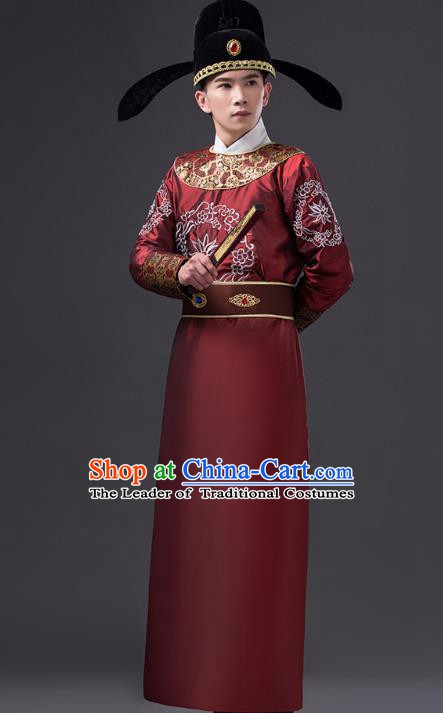
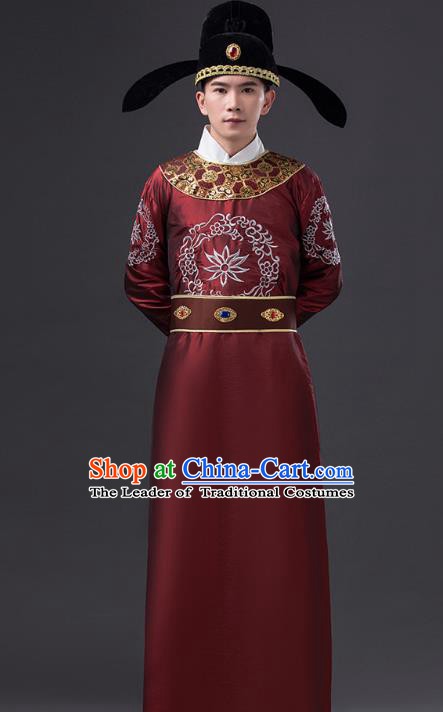
The Traditional Chinese Tang Dynasty Prince Costume is a magnificent piece of art that embodies the rich cultural heritage and historical significance of China.
This exquisite attire features a vibrant red color, intricate embroidery, and a regal design that exudes elegance and sophistication.
The intricate details of the embroidery, such as the purple red threads and the delicate patterns, showcase the skill and craftsmanship of the artisans who created this masterpiece.
The prince costume represents the power and prestige of the Tang dynasty, a period of great prosperity and cultural achievement in China's history.
It is a symbol of the country's rich artistic traditions and its commitment to preserving its cultural heritage for future generations.
The traditional Chinese Tang dynasty prince costume is not only a beautiful piece of clothing but also a testament to the creativity and ingenuity of the Chinese people.
It is a reminder of the importance of preserving our cultural heritage and passing it down to future generations.
As we admire this magnificent piece of art, we are transported back in time to a period of great cultural achievement and artistic excellence.
We are reminded of the beauty and richness of Chinese culture and the importance of preserving it for future generations.
|

 -Year Leader. Chosen by Hollywood Studios | American Museum of Natural History | Opera America | Harvard University