|
Fabric: Various top traditional fabrics Handicraft: Handmade by the best traditional tailors Delivery: As the largest traditional costume shop, 1-17 days FREE worldwide shipping via UPS, DHL, SF or FedEx is offered Size: You may select the stock standard size based on the size chart. Color: you do not need to select the color section or simply select Same if you want it to be the Same as Picture. If you wish to change the main color, please select it based on the color chart and let our top traditional designers design the rest for you. Or you may select "Free Customization" and leave us a message containing your detail color requests on the order form. This custom service has no extra cost! Free Rush Service Available: Standard tailoring takes 1-2 weeks. If you need it by a specific date, please leave your required receipt date in the order notes. We will prioritize your order as a rush request to ensure timely delivery.
Artistic & Historical Background:  Listen Listen
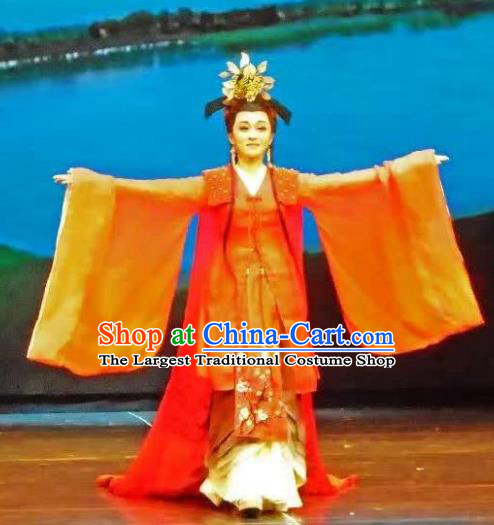
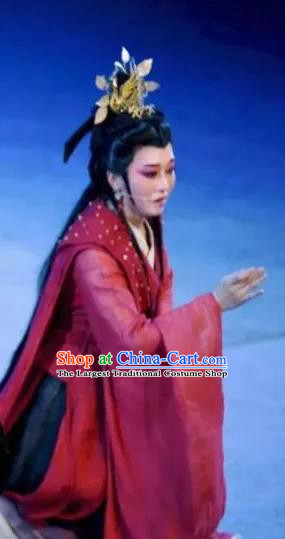
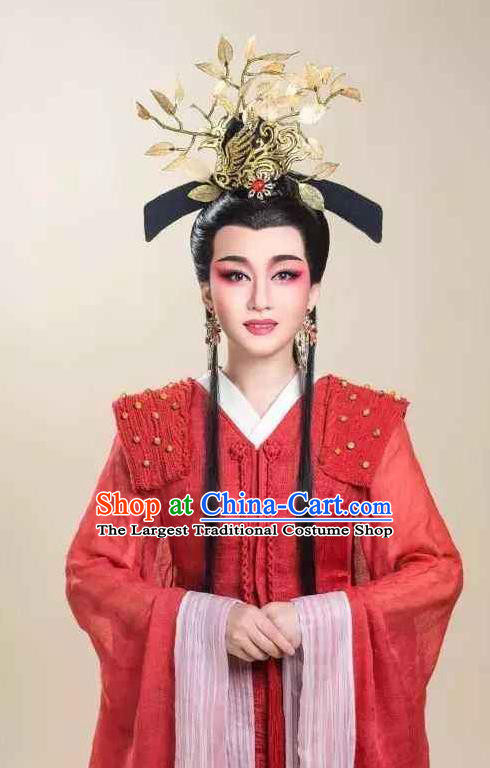
King Wu Yue Chinese Shaoxing Opera Imperial Consort Actress Dress Garment and Headpieces
The King Wu Yue Chinese Shaoxing Opera Imperial Consort Actress Dress Garment and Headpieces are a stunning example of traditional Chinese culture and art.
These garments were worn by the concubines of the Emperor during the reign of King Wu Yue, who ruled over the Han dynasty in China from 140 to 87 BCE.
The intricate designs and vibrant colors of these pieces reflect the opulence and grandeur of the imperial court during this period.
The dress is made of silk and features a high collar, long sleeves, and a flowing skirt.
It is adorned with intricate embroidery and other decorative elements that showcase the skill and craftsmanship of the artisans who created it.
The headpiece, which is also made of silk, complements the dress and adds to its overall beauty and elegance.
These garments were not only practical for daily wear but also served as symbols of status and power within the royal family.
They were often passed down through generations and became an important part of Chinese cultural heritage.
Today, they continue to be admired for their beauty and historical significance.
|