|
Custom China Traditional Minority People Costumes In Sichuan, Guangxi, Yunnan, Guizhou Province Delivery: 1-17 days FREE worldwide shipping Handicraft: Well handmade by top traditional tailors team Fabric: Various top traditional fabrics Size: You can pick a standard size we have in stock. If you want our top traditional tailors to custom-make it for you for free, just choose "Free Customization" and tell us your measurements or your usual size in the order note. Color: If you like the same color in stock most, you do not need to select the color section. If you wish to change it, you may select another main color on the color section. Or you may select "Free Customization" and leave us a note containing your detail color requirements on the order form.
Artistic & Historical Background:  Listen Listen
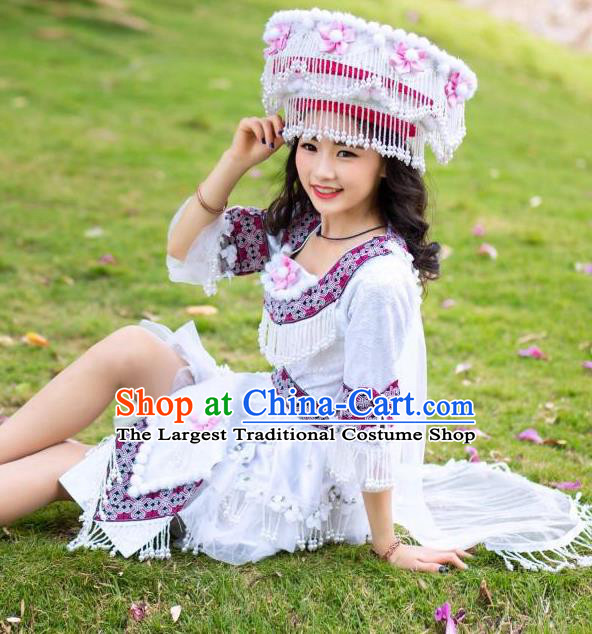
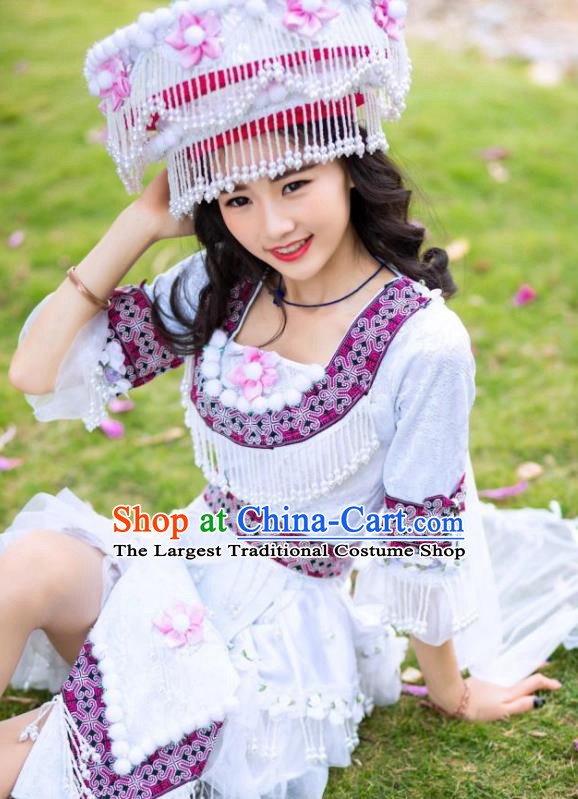
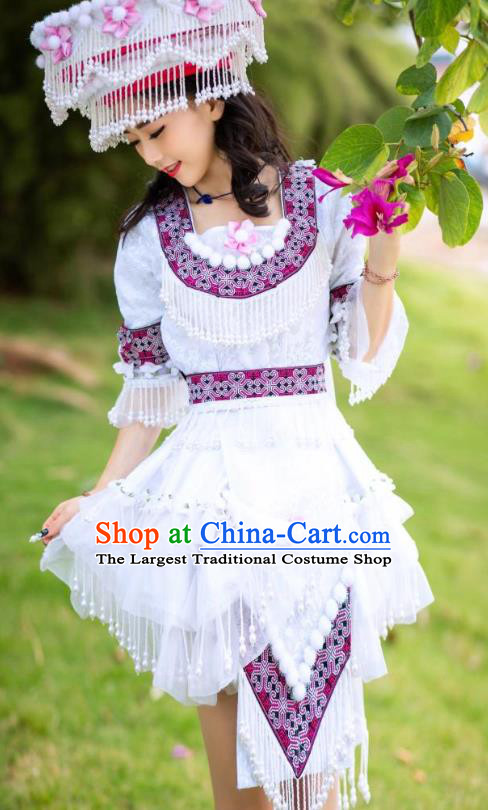
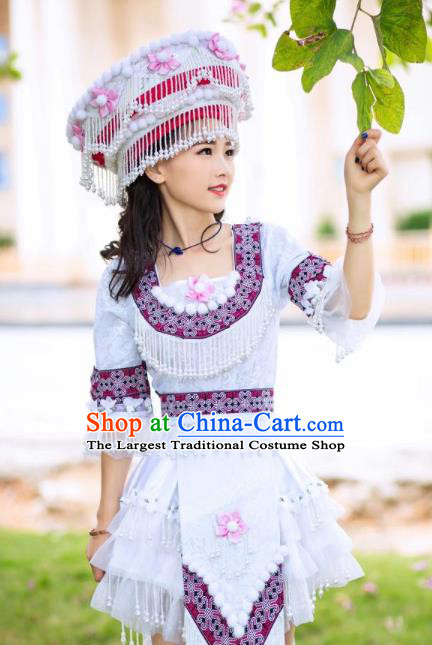
The China Wenshan Ethnic White Short Dress is a traditional clothing item that has been worn by the Miao minority for centuries.
It is a symbol of their cultural identity and heritage, and it represents the unique beauty and elegance of their customs.
The dress is made from high-quality materials such as silk and cotton, which are carefully selected to ensure comfort and durability.
The design features intricate embroidery and patterns that are inspired by nature and animals, such as birds and flowers.
The dress is typically worn during important festivals and ceremonies, where it serves as a way to honor the ancestors and celebrate the rich history and traditions of the Miao people.
In addition to its aesthetic value, the China Wenshan Ethnic White Short Dress also carries significant historical significance.
It was first created during the Ming Dynasty (1368-1644) and has since become an integral part of the Miao culture.
Over time, the dress has evolved and adapted to changing fashion trends, but it still retains its traditional charm and elegance.
Today, the China Wenshan Ethnic White Short Dress is not only a piece of clothing but also a representation of the Miao people's resilience and creativity in preserving their cultural heritage.
It is a testament to the power of tradition and the importance of passing down one's cultural legacy to future generations.
|

 -Year Leader. Chosen by Hollywood Studios | American Museum of Natural History | Opera America | Harvard University